


How Do You Treat an Aural Hematoma?
If you’ve ever noticed your pet’s ear suddenly becoming swollen, puffy, or lopsided, it can be alarming. One common cause of this type of ear swelling is an aural hematoma - a condition that requires prompt veterinary attention to prevent pain, infection, and long-term ear damage.
What Is an Aural Hematoma?
An aural hematoma occurs when blood collects between the layers of tissue in a pet’s ear flap (pinna). This usually happens after trauma to the ear, most often from vigorous head shaking or repeated scratching.
Underlying causes commonly include:
• Ear infections
• Allergies
• Ear mites
• Foreign material in the ear
• Skin conditions affecting the ears
The ear may appear swollen, warm, painful, and firm or fluid-filled. Left untreated, an aural hematoma can lead to scarring and permanent ear deformity.
Why Prompt Treatment Matters
Prompt treatment of an aural hematoma is essential, as delaying care can lead to serious complications including chronic pain, infection, thickening of the ear flap that results in a “cauliflower” ear deformity, and reduced airflow that can contribute to ongoing ear problems. Seeking early veterinary intervention not only helps prevent these long-term issues but also provides faster relief and better overall outcomes for your pet. Treatment depends on the size of the hematoma, how long it has been present, and the underlying cause.
Treating the Underlying Cause
Before addressing the hematoma itself, it’s critical to identify why it formed. Ear infections, allergies, or parasites must be treated to prevent recurrence. This may involve:
• Ear cleaning
• Medicated ear drops
• Antibiotics or antifungals
• Anti-inflammatory medications
Without addressing the root cause, the hematoma is likely to return.
Draining the Hematoma
In some mild or early cases, the veterinarian may drain the blood using a needle or small incision. This can temporarily reduce swelling, but recurrence is common unless additional measures are taken.
Draining is typically paired with:
• Compression bandages
• Anti-inflammatory medications
• Close follow-up monitoring
Surgical Repair
Surgery is often the most effective and permanent treatment, especially for larger or chronic hematomas. During surgery:
• The accumulated blood is removed
• Sutures are placed to prevent refilling
• The ear is supported to heal in its normal shape
Surgical treatment significantly reduces the risk of recurrence and long-term ear damage.
Post-Treatment Care
After treatment, pets usually require:
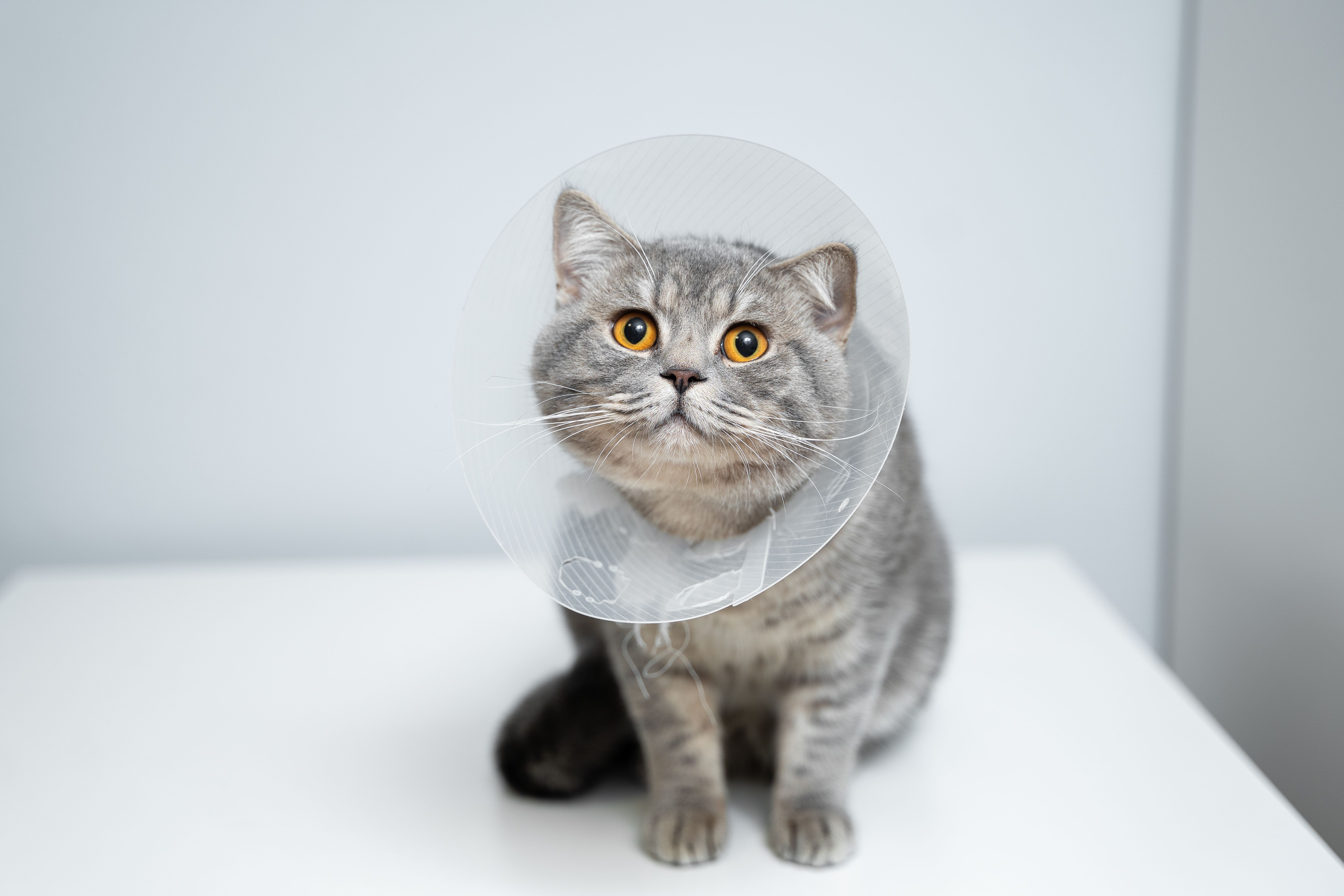
• An Elizabethan collar (cone) to prevent scratching
• Medications for pain and inflammation
• Follow-up visits to monitor healing
With proper care, most pets recover well and regain comfort quickly.
Get Expert Care for Your Pet’s Ear in Temple, TX
An aural hematoma is more than just a swollen ear - it’s a painful condition that signals an underlying problem. Whether treatment involves medical management, drainage, or surgery, addressing both the hematoma and its cause is essential for long-term healing.
Contact Animal Emergency Center of Temple-Belton to have your pet evaluated and receive emergency care for an aural hematoma. Visit our office in Temple, Texas, or call (254) 231-3774 today.


Hours
Friday - Monday: OPEN 24 HOURS
Tuesday - Thursday: 6:00 PM-8:00 AM
Open ALL Holidays
Friday - Monday: OPEN 24 HOURS
Tuesday - Thursday: 6:00 PM-8:00 AM
Open ALL Holidays
Powered by: 